Extended-stay hotels are genuinely useful for the first few weeks of a relocation, an assignment, or a semester — no lease, no furniture to source, a known daily rate. The question is when that convenience stops being worth the premium. For most people weighing a 6-month stay in Fort Lauderdale, the answer is: sooner than you'd think.
How the pricing actually works
Extended-stay hotel chains typically offer three rate tiers: a standard nightly rate, a weekly rate with a modest discount, and a monthly or "extended" rate with a larger discount — often the best rate they offer. The catch is that this monthly rate is usually the floor. It doesn't keep dropping in month two, three, or six the way a furnished rental's per-month cost effectively does once you're paying a flat 6-month rate instead of a recurring discounted-nightly one.
What's actually included, on each side
A nightly rate sounds simple, but the real comparison depends on what's bundled in:
- Extended-stay hotel: small furnished studio or one-bedroom, weekly housekeeping, a kitchenette (not always a full kitchen), and daily rate that usually excludes taxes and resort/amenity fees.
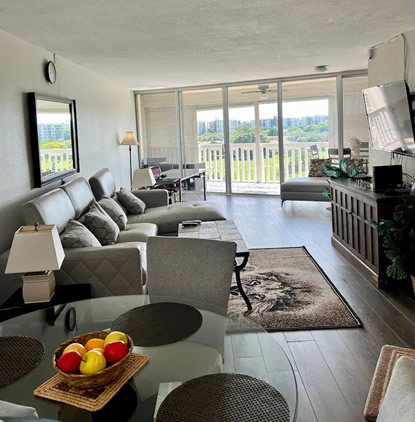
- Furnished 6-month rental: full apartment or condo layout, real bedrooms and bathrooms, a full kitchen, and a flat rate that's set once you sign — utilities confirmed up front rather than bundled into a surprise nightly fee.
Square footage matters more than people expect over six months. A hotel room that felt fine for two weeks starts to feel very small by month three, especially if you're working from it, cooking your own meals to save money, or sharing it with a roommate.
Where the numbers tend to land
Exact rates vary by property and season, but the general pattern holds across most mid-size metros, Fort Lauderdale included:
- Month 1: the hotel's extended-stay rate and a furnished rental's monthly-equivalent rate are often close — this is the hotel's best-value window.
- Months 2-3: the gap starts to widen. The hotel rate rarely drops further, while a 6-month lease is already priced for the long term.
- Months 4-6: this is typically where a furnished rental pulls clearly ahead on cost per month, on top of offering more space and a real kitchen that cuts down on eating out.
If you're booking month-to-month at a hotel past the 90-day mark, it's almost always worth pricing out a 6-month furnished lease before you renew again.
The other cost people forget: eating out
A kitchenette with a microwave and mini-fridge doesn't replace a real kitchen. Over six months, the difference between cooking most meals and eating out or ordering delivery because there's nowhere to cook adds up to real money — often more than the difference in the room rate itself.
When a hotel still makes more sense
To be fair to the hotel side: if your stay is genuinely uncertain — you might leave in three weeks, or you might stay three months, and you won't know until closer to the date — the flexibility of a nightly or weekly hotel rate can be worth paying a premium for. A 6-month furnished rental is the better deal specifically once your timeline is reasonably firm.
Ready to see what a 6-month rate looks like?
The furnished 2-bed, 2-bath unit featured on this site is priced as a flat 6-month rate, with a full kitchen, a private balcony, and real bedrooms — not a hotel-style studio.
Request a quote